Runable FAQ
Runable FAQ: pricing, workflows, alternatives and fit
Short answers for the questions people usually ask before testing Runable: what it does, who it is for, whether it replaces other AI tools and which guide to read next.
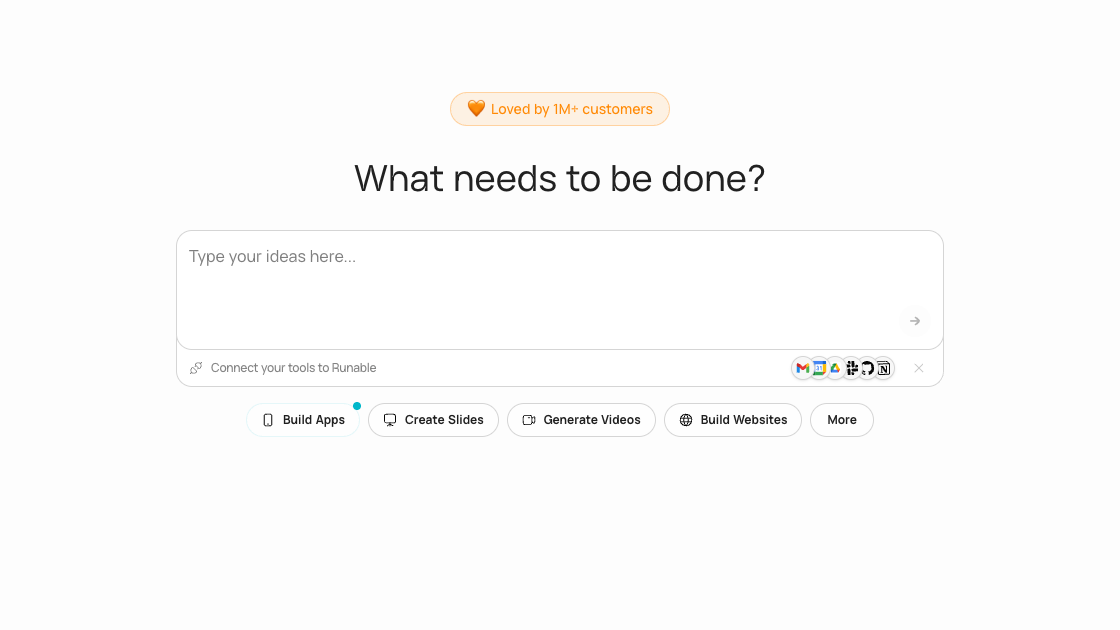
Runable frequently asked questions
What is Runable?
Runable is best understood as an AI workflow workspace for moving projects through research, planning and deliverables, rather than only a chat assistant.
Is Runable worth paying for?
Yes, if it reduces repeated tool switching across work you do every week. Start with the pricing guide if the money decision is the main risk.
What should I read first?
Start with the review, then check pricing, then use the tutorials or workflow guide to test one real project.
Does Runable have a free plan?
Check the current official pricing page. Free access, trials and credits can change, so do not rely on old screenshots; the pricing guide explains when free access is enough.
Which plan should a solo founder choose?
A solo founder should usually start with the lowest plan that can complete one real weekly workflow. Upgrade only when credits, exports or repeated delivery become a real limit.
When should I upgrade Runable?
Upgrade when a real weekly workflow is already saving time and plan limits are slowing you down. If you cannot name that workflow, run the first tutorial before paying.
When should I skip Runable?
Skip or delay it if you only need casual chat, occasional brainstorming or one narrow specialist tool.
Does Runable replace ChatGPT or Claude?
Not completely. ChatGPT and Claude remain strong for conversation, reasoning and writing. Runable is more interesting when the work spans multiple deliverables.
What is the best Runable alternative?
ChatGPT is the first broad alternative to compare. Claude is better for writing-heavy work, while Gamma and Canva are stronger for decks or visual design. Use the alternatives guide for marketer and developer scenarios.
Which tool is best for marketers?
Runable fits marketers when one campaign needs research, positioning, page copy, deck outlines and follow-up content. Canva or Gamma may be better if the work is mostly visuals or slides.
Which tool is best for developers?
ChatGPT or Claude is usually the better first choice for coding and technical reasoning. Runable makes more sense when the project also needs docs, launch copy, briefs or stakeholder assets.
Can I publish Runable output directly?
No. Manually review facts, claims, pricing, links, brand voice and final copy before publishing.
Is Runable safe for client work?
Use it carefully. Check commercial terms, data handling, account permissions and manual review points before using it with client material.
Can Runable support repeatable workflows?
Yes, if your inputs, output format and human review steps are consistent. Start manually with the workflow guide before treating it like an operating process.
What should beginners do first?
Beginners should run a research-to-brief project first. It is easier to judge than a finished page because you can inspect the structure before polishing.
Which Runable workflow saves the most time?
The research-notes-to-brief-to-page-outline workflow is the best first test because it removes repeated setup across several tools.
Which Runable page owns pricing questions?
Use the pricing guide for plan fit, credits, upgrade timing, free-plan questions and buying risk.
Which page should I use for learning the workflow?
Use the tutorials page for a first project and the workflow page for inputs, process, outputs and manual review points.
What I Would Read First
If you are still unsure, start with the question that affects money
When I evaluate a tool like Runable, I do not start with every feature. I start with the buying risk. If you are not sure whether Runable fits, read the pricing guide first and decide whether you have a repeated workflow worth testing. If the price feels hard to justify, compare alternatives before opening the product again. If you already know you want to test it, use the tutorial or workflow page so your first run has enough structure to produce a fair result. That order keeps the decision practical: money first, workflow second, final tool choice last. It also keeps the FAQ from becoming a dumping ground for every possible question. The page should route decisions, not replace the full review.
Where to go next
If you still are not sure where to start, choose the page that matches the decision you need to make.
Related reading
Use this as the short path through the site instead of opening every page at once.
| If your question is... | Read this next | Why |
|---|---|---|
| Is Runable worth paying for? | Pricing | It explains upgrade timing, hidden costs and when free or trial access may be enough. |
| Can I actually use it? | Tutorials | It gives you a first workflow to test before judging the product. |
| Where does it fit in real work? | Workflow | It shows inputs, process, outputs and human review points. |
| Should I use another tool instead? | Alternatives | It compares ChatGPT, Claude, Gamma, Canva and specialist tools by use case. |